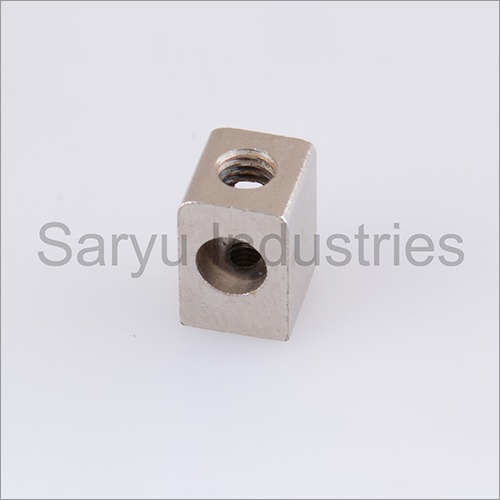

Product Description
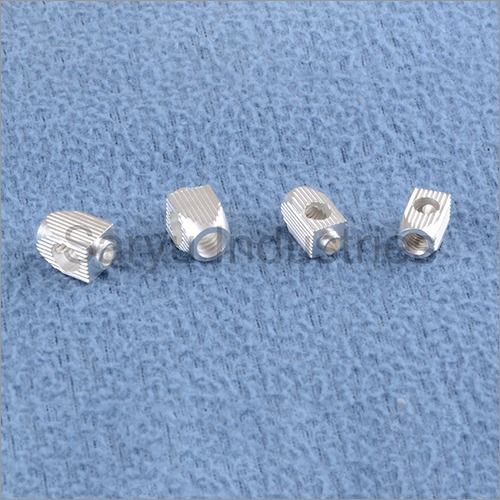
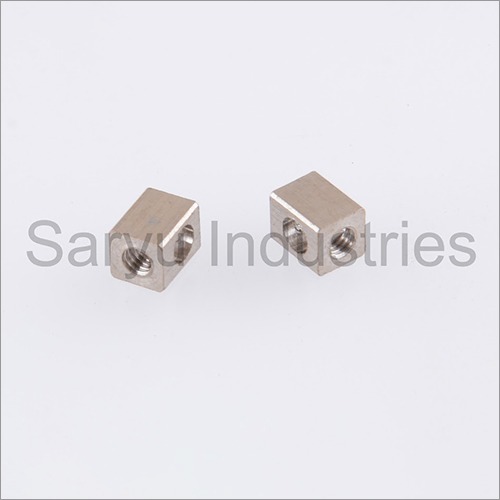
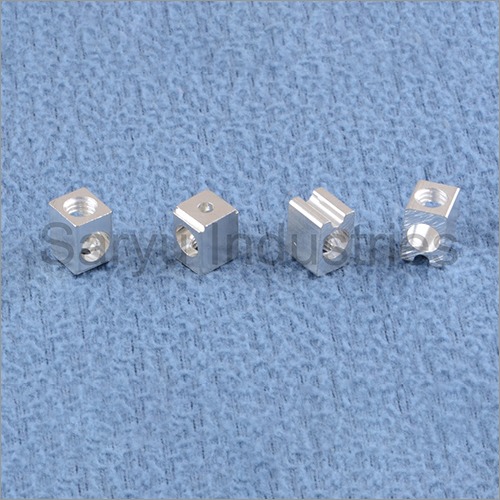
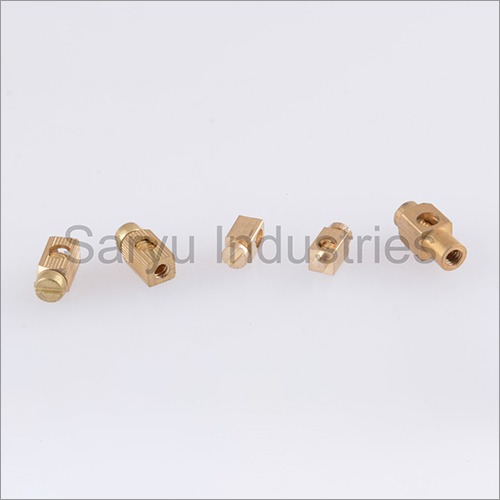
Brass Riveting Terminal is most commonly utilizing in the electrical industry for plugs & sockets. It is designed having a corrugated surface finish and has female threading for nut fastening. This riveting terminal is required for connecting electrical copper wire in a safe & reliable manner ensuring smooth current flow. It is completely suitable to be used for both high & low voltage systems depending upon size. Brass Riveting Terminal is always used in combination with a mating nut which is fastened to secure the electrical cable in place. It is available in different sizes at reasonable rates for our trusted customers in quantities as per their demand.
Product Details:
| Condition | New |
| Finishing And Coating | Nickel Plated, Natural |
Engineered for Superior Electrical PerformanceOur Brass Riveting Terminal delivers outstanding electrical conductivity and mechanical stability, meeting rigorous demands in electrical and electronic fittings. Precision-engineered to IS, DIN, JIS, or tailored specifications, the terminals guarantee secure connections and longevity, even under challenging conditions. The polished, nickel-plated finish enhances corrosion resistance and maintains optimal contact quality, ensuring consistent current flow in critical applications.
Customizable Design for Versatile ApplicationsAvailable in soft or hard brass, and customizable in thickness, our terminals offer adaptable solutions for diverse installations. The flat rectangular configuration with a round rivet head enables easy mounting and secure riveting. Suitable for high- and low-voltage applications, they are ideal for electrical panels, switchgear, appliance assembly, and electronic devices-meeting the requirements of manufacturers, traders, and service providers alike.
FAQ's of Brass Riveting Terminal:
Q: How are Brass Riveting Terminals typically installed in electrical systems?
A: Brass Riveting Terminals are installed by riveting, where the round rivet head is pressed or hammered to form a tight, secure connection on a surface. This method ensures both mechanical strength and reliable electrical contact in panels and assemblies.
Q: What benefits do these terminals offer compared to other metallic connectors?
A: They provide excellent electrical conductivity, high tensile strength, robust corrosion protection due to nickel plating, and versatility in design. Their brass construction makes them resistant to wear and ideal for demanding electrical environments.
Q: When should a custom thickness or variant (soft/hard) be selected?
A: Custom thickness or hardness should be chosen based on the application's load requirements, current ratings, and mounting specifications, ensuring the terminal matches the mechanical and electrical demands of the project.
Q: Where are Brass Riveting Terminals commonly used?
A: These terminals are widely used in electrical and electronic fittings, including switchgear, power distribution panels, and electronic equipment, especially where reliable, durable, and conductive connections are crucial.
Q: What is the process involved in manufacturing these terminals?
A: The process involves cutting and shaping high-grade brass, forming the flat rectangular shape and rivet head. The terminal is then polished and nickel-plated for corrosion resistance, with final inspections ensuring adherence to standards or custom specifications.
Q: How does the terminal provide corrosion protection in harsh environments?
A: The nickel-plated surface treatment enhances the terminal's resistance to corrosion, safeguarding the brass substrate and ensuring long-term performance and safety, even in humid or industrial settings.